 |
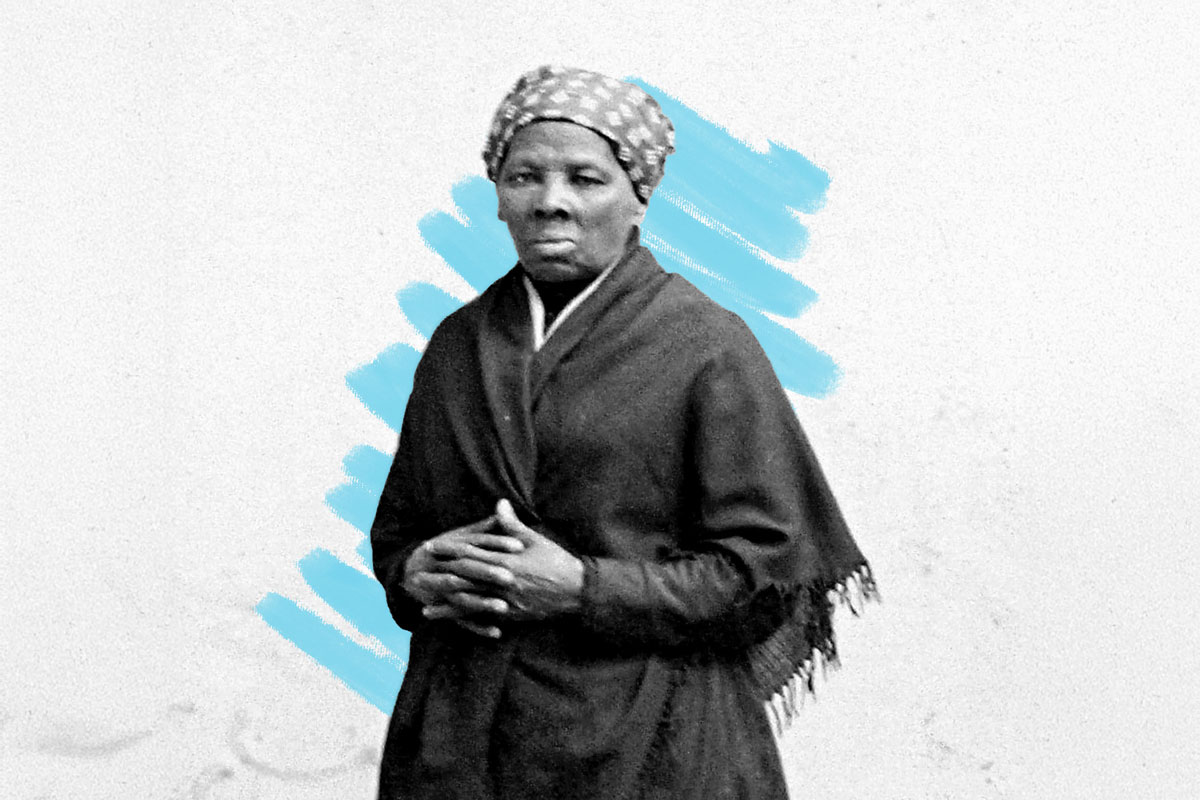
Harriet Tubman was a spy during the Civil War. |
Famous Figures |
 |
| |
Tubman's experience rescuing enslaved people in the years before the Civil War resulted in a wealth of invaluable geographical knowledge that proved critical on numerous scouting expeditions; she also recruited and trained informants, many of whom were formerly enslaved. Her greatest contribution to the Union effort came in 1863, when she helped lead an operation that liberated more than 700 enslaved people in South Carolina. | |
That operation, known as the Combahee Ferry Raid, took place on June 2, 1863. Tubman became the first woman in American history to plan and lead a military raid, doing so with the help of about 150 Black soldiers. Many of the people who were emancipated during the raid later joined the Union Army themselves. In a letter written to General Quincy Gillmore on July 6, Montgomery wrote, "I wish to commend to your attention Mrs. Harriet Tubman a most remarkable woman, and invaluable as a scout." Tubman came to be known as the "Moses of Her People" for her tireless work before and during the Civil War. |

 | |||||||||
By the Numbers | |||||||||
| |||||||||
| |||||||||
| |||||||||
| |||||||||
Harriet Tubman was a suffragist. | |||||||||
When one battle ends, another begins. Not content to rest on her laurels after the Civil War, Tubman eventually turned her attention to a new cause: women's suffrage. She toured and gave speeches alongside the National American Woman Suffrage Association (NAWSA). No less an authority on the matter than Susan B. Anthony once referred to her as "this most wonderful woman," writing in a letter dated January 1, 1903, that, during a gathering one day, "All of us were visiting at Mrs. Osbornes, a real love feast of the few that are left, and here came Harriet Tubman!" Tubman died in 1913, six years before the 19th Amendment was passed by Congress, granting women the right to vote. | |||||||||

| |||
Recommended Reading | |||
 | |||
Arts & Culture | |||
| |||
 | |||
U.S. History | |||
| |||
| + Load more | |||
| |||||||||||||||||||||||||||||||||||||||||||||||||||||||








| |||||||||
| 325 North LaSalle Street, Suite 200, Chicago, IL 60654 | |||||||||
|


Ni komentarjev:
Objavite komentar