Clearance Sale! Up to 60% Off ͏ ͏ ͏ ͏ ͏ ͏ ͏ ͏ ͏ ͏ ͏ ͏ ͏ ͏ ͏ ͏ ͏ ͏ ͏ ͏ ͏ ͏ ͏ ͏ ͏ ͏ ͏ ͏ ͏ ͏ ͏ ͏ ͏ ͏ ͏ ͏ ͏ ͏ ͏ ͏ ͏ ͏ ͏ ͏ ͏ ͏ ͏ ͏ ͏ ͏ ͏ ͏ ͏ ͏ ͏ ͏ ͏ ͏ ͏ ͏ ͏ ͏ ͏ ͏ ͏ ͏ ͏ ͏ ͏ ͏ ͏ ͏ ͏ ͏ ͏ ͏ ͏ ͏ ͏ ͏ ͏ ͏ ͏ ͏ ͏ ͏ ͏ ͏ ͏ ͏ ͏ ͏ ͏ ͏ ͏ ͏ ͏ ͏ ͏ ͏ ͏ ͏ ͏ ͏ ͏ ͏ ͏ ͏ ͏ ͏ ͏ ͏ ͏ ͏ ͏ ͏ ͏ ͏ ͏ ͏ ͏ ͏ ͏ ͏ ͏ ͏ ͏ ͏ ͏ ͏ ͏ ͏ ͏ ͏ ͏ ͏ ͏ ͏ ͏ ͏ ͏ ͏ ͏ ͏ ͏ ͏ ͏ ͏ ͏ ͏

It's winter. The season of extra layers, shorter days, and pretending we're "fine" when we're clearly cold. Luckily, nature has been preparing for this moment for thousands of years. While humans panic-buy scarves and forget how to walk on ice, winter animals are out here thriving. Calm. Efficient.
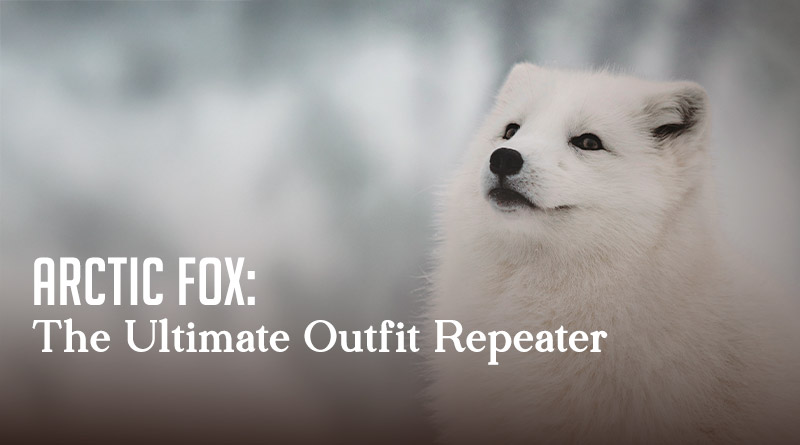
Deeply unbothered. So this week, we're looking to the real experts – the animals who have mastered winter survival – and what they can teach us about rest, resilience, and knowing when it's absolutely appropriate to not leave the house. | | The Arctic fox is one of the most cold-adapted mammals on Earth. Its fur doesn't just change color – it becomes one of the warmest natural insulators in the animal kingdom, trapping heat so efficiently that Arctic foxes can survive temperatures as low as –58°F. Their ears are short and rounded (less heat loss), their paws are furry (built-in snow boots), and they curl their tails around their faces like a scarf while sleeping. Nature really thought of everything.
Winter lesson:
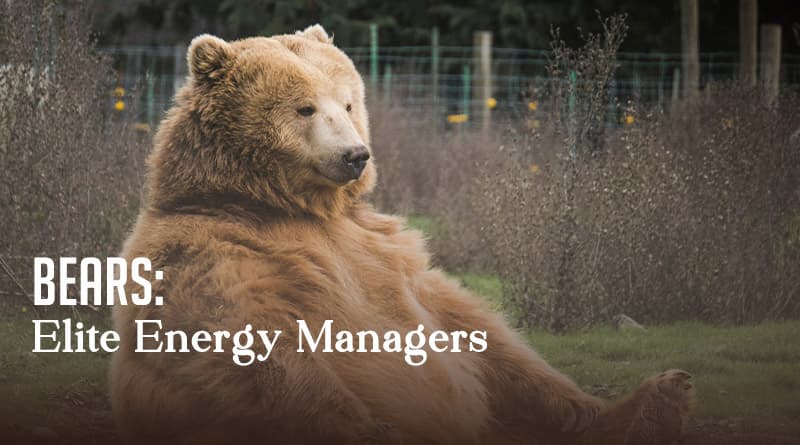
Adapt without overexplaining yourself. Sometimes the answer really is: change your coat and keep it moving. | | Contrary to popular belief, bears don't just "sleep all winter." During hibernation, their heart rate drops dramatically, their metabolism slows, and they can go months without eating, drinking, or going to the bathroom (science is wild). Even more impressive? Bears don't lose muscle mass or bone density the way humans would during long periods of inactivity. Their bodies are designed for rest without guilt.
Winter lesson:
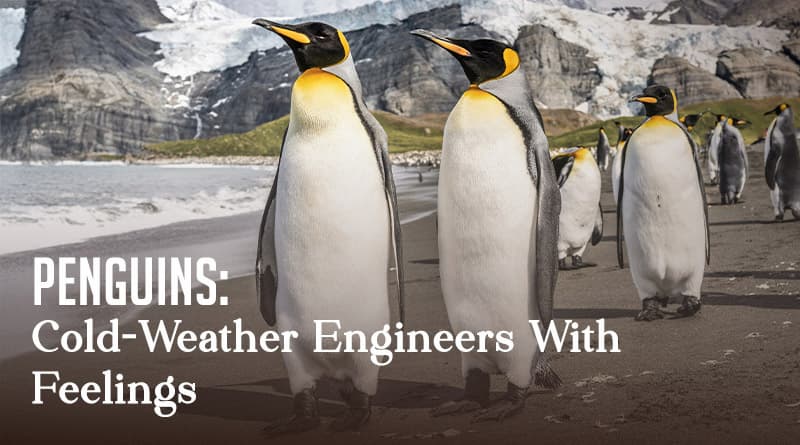
Rest is not failure. It's a strategy. Productivity will be there when you wake up. | | Penguins are essentially built-in winter machines. Their feathers overlap like shingles, creating a waterproof, wind-resistant layer that traps warmth. Under that? A thick layer of fat. Overachievers. During the harshest Antarctic winters, emperor penguins huddle in massive groups, rotating positions so no one stays exposed too long. This is cooperation at its finest – everyone gets a turn in the warm middle.
Winter lesson:
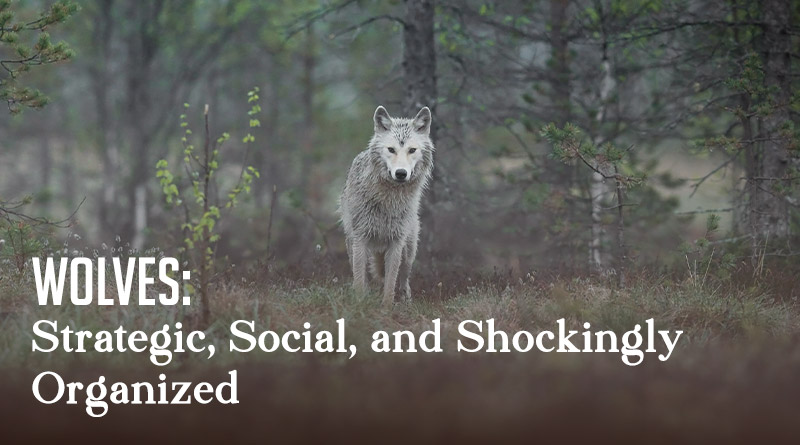
You don't survive hard seasons alone. Rotate the load. Share the warmth. Group chat counts. | | Wolves thrive in winter by working as a unit. They can travel over 30 miles a day through snow, communicate through complex vocalizations, and rely on deep social bonds to hunt and protect their pack. Winter actually strengthens wolf packs – cooperation becomes essential, and every member plays a role.
Winter lesson:
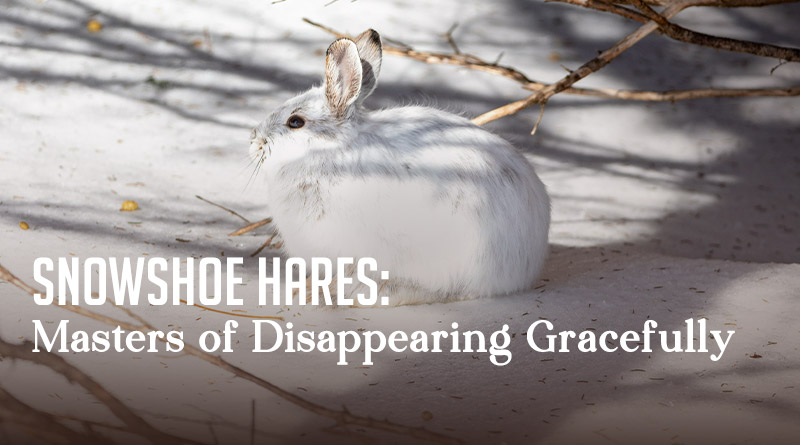
Community is a survival tool. Let people help you. Even the strong need backup. | | Snowshoe hares don't just turn white – the timing of their color change is synced to daylight hours, not temperature. Their oversized feet act like natural snowshoes, spreading their weight so they don't sink. They don't fight winter with flashiness. They survive by blending in and staying alert.
Winter lesson:
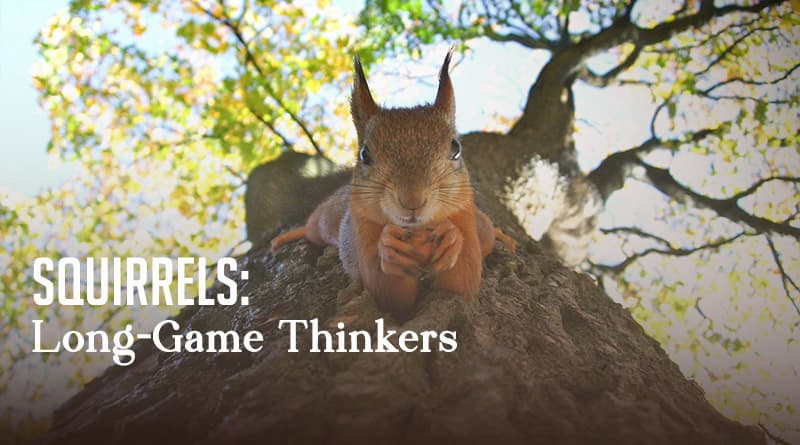
Not every season is for being loud. Sometimes staying soft and unnoticed is the smartest move. | | Squirrels don't hibernate – we prepare. By fall, we've hidden thousands of food caches, relying on spatial memory and scent cues to retrieve them later. And yes, we forget some. That's called forest regeneration. You're welcome. We also grow thicker fur, reduce unnecessary movement, and prioritize efficiency. Winter is not a surprise – it's the reward for planning ahead.
Winter lesson:
Think ahead. Take care of future-you. And always stash extra snacks. | | Winter animals don't rush this season, and they don't fight it either. They listen. They adapt. They rest when the world tells them to rest, and they move together when survival calls for it. There's no guilt in slowing down and no panic about what comes next – just trust in the rhythm that's worked for generations.
If winter feels heavy, quiet, or a little slower than you expected, you're not doing anything wrong. You're responding exactly the way nature intended. This is the season for conserving energy, staying close to what keeps you warm, and remembering that not everything needs to bloom at the same time.
Nutasha would like it officially noted that this is also the season for cozy nests, shared snacks, and minding your own business while wrapped in something soft. She is currently supervising from a nearby branch, tail fluffed to maximum capacity, calmly observing the world and reminding everyone that even the strongest animals know when to pause.
So take the cue. Move gently. Stay warm. Trust the season you're in – and trust that when it's time to emerge, you'll be ready.
Your friend, | | Wait… Really? You're already looking for the Unsubscribe. button? Well, just know we have a pigeon army, and they WILL find you. But go ahead… Hit that button and see what happens.
| | | | |



Ni komentarjev:
Objavite komentar