 |
The weekend was created so workers would stop taking 'sick' days on Monday. |
U.S. History |
 |
| |
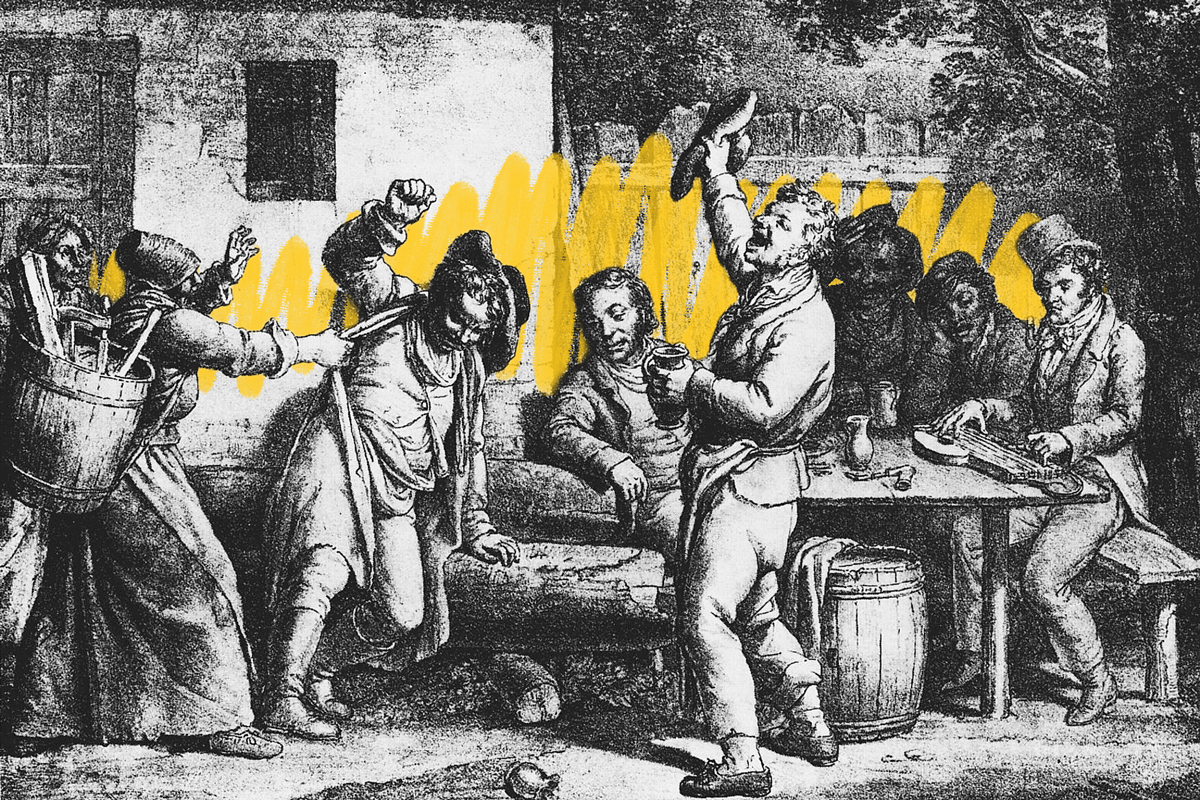
By the mid-19th century, taking Monday off work was a widely practiced custom, honored in tradition if not on any calendar or work schedule. At the same time, however, the rise of industry saw workplaces become more structured, and Saint Monday disrupted production. So employers, influenced by temperance groups and labor unions throughout Britain, tried a different approach: making time off a formality. Starting in the mid-1800s, workweeks were shortened, first by reducing Saturdays to half days. Employers hoped the change would satisfy workers and encourage them to reliably return to work on Monday. | |
Leisure time indeed took on new meaning for the working class: Recreational travel, live music and theater, and sporting events — especially football (or soccer in the U.S.) — became Saturday fixtures. Still, the shift to a full two-day weekend didn't happen overnight. In the U.K., it unfolded gradually after World War I, while in the U.S., the Ford Motor Company formalized a five-day workweek in 1926. By the 1940s, Saturdays and Sundays were firmly ingrained in society as the weekend we now know and love. |
 | |||
| |||
Go Interest-Free With 0% APR Cards Lasting Until Nearly 2028 | |||
Take advantage of 0% APR for 21 months on balance transfers — no annual fee required. Apply now and start earning more from every dollar. | |||
*This content is brought to you by our sponsor, which helps keep our content free. |

 | |||||||||
By the Numbers | |||||||||
| |||||||||
| |||||||||
| |||||||||
| |||||||||
One of the longest labor strikes in U.S. history lasted 11 years. | |||||||||
In April 1954, more than 2,000 workers at the Kohler plumbing fixture factory in Sheboygan, Wisconsin, walked off the job. Backed by the United Auto Workers Local 833 union, the employees of Kohler, one of the city's largest employers, were pushing for higher wages, stronger job protections, and formal union recognition. The plant initially shut down, but Kohler hired nonunion replacements and resumed production. The strike dragged on for more than a decade. The union organized nationwide boycotts of Kohler products, while tensions in town escalated. Picket lines sometimes turned violent, and the dispute even drew national attention thanks to a 1958 Senate inquiry. Although the walkout formally ended in the early 1960s, the fight wasn't fully resolved until 1965, when new Kohler management agreed to higher wages and increased pension contributions, finally ending one of the longest labor battles in American history. | |||||||||

| |||
Recommended Reading | |||
 | |||
Arts & Culture | |||
| |||
 | |||
Arts & Culture | |||
| |||
| + Load more | |||
| |||||||||||||||||||||||||||||||||||||||||||||||||||||||










| |||||||||
| 325 North LaSalle Street, Suite 200, Chicago, IL 60654 | |||||||||
|


Ni komentarjev:
Objavite komentar