Drop in U.S. farm income between 1929 and 1932 | | $7 billion |
| | Goods the AAA initially targeted (corn, wheat, rice, cotton, tobacco, hogs, milk) | | 7 |
| | Goods the AAA initially targeted (corn, wheat, rice, cotton, tobacco, hogs, milk) | | 7 |
|
|
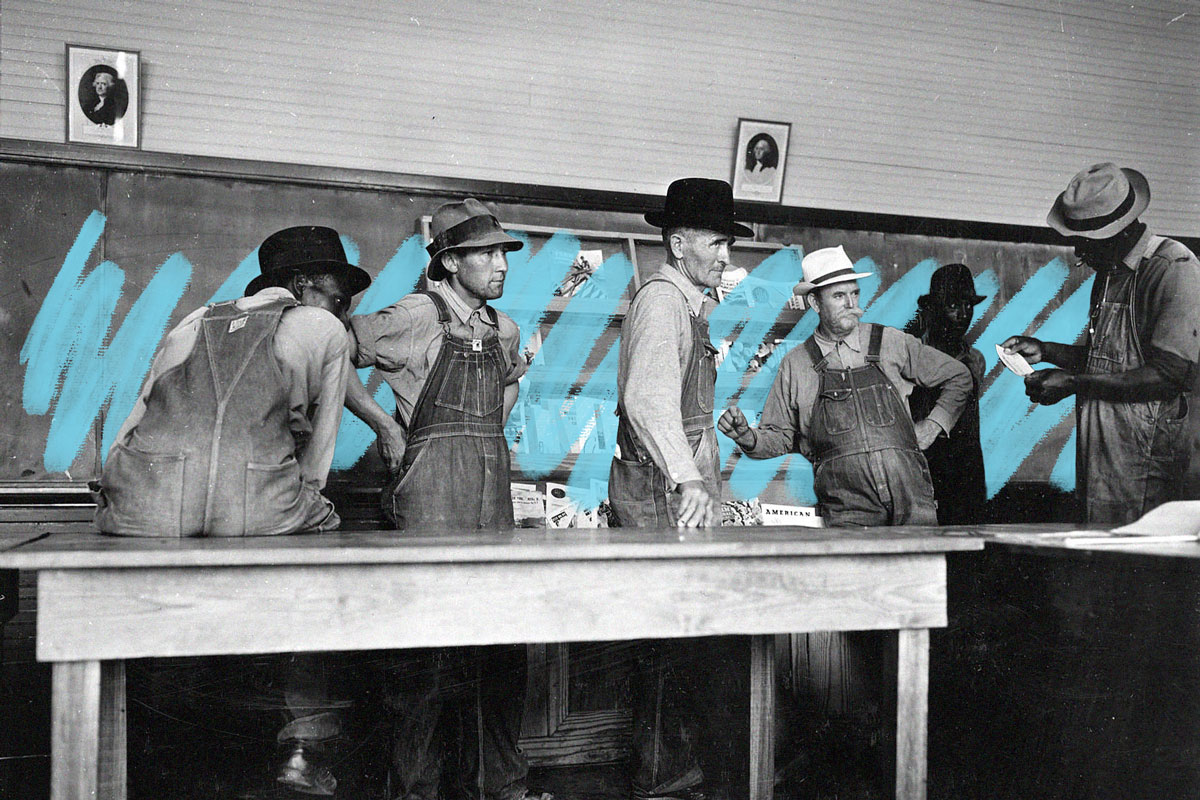
In the early 1930s, American dairy farmers faced a grim reality — milk was abundant, but prices had collapsed. As the Great Depression deepened, demand fell and supply remained high, pushing prices to unsustainable lows. In Iowa and Wisconsin, farmers were paid as little as 2 cents per quart, far below the cost of production. Frustrated and desperate, many farmers turned to protest. Beginning in 1931, groups such as the Farmers' Holiday Association organized strikes across the Midwest, urging farmers to withhold their products from the market. When that failed to raise prices, a few took more dramatic action: dumping milk onto roads, ditches, or fields rather than selling it at a loss. The protests were meant to reduce supply and force higher prices, but they also drew public attention to the crisis facing rural America. In some cases, striking farmers stopped delivery trucks or blocked roads, escalating tensions between producers and authorities. The spectacle of milk being discarded while many Americans struggled to afford food highlighted a central paradox of the Depression — not a lack of resources, but a breakdown in the system that distributed them. The crisis helped spur federal intervention, including New Deal programs such as the AAA. |
















Ni komentarjev:
Objavite komentar